[Stay on top of transportation news: Get TTNews in your inbox.]
EPA’s revised 2027 NOx rule enters final review
Rule revamping Biden-era NOx standards for heavy-duty engines and vehicles is reaching the final stages
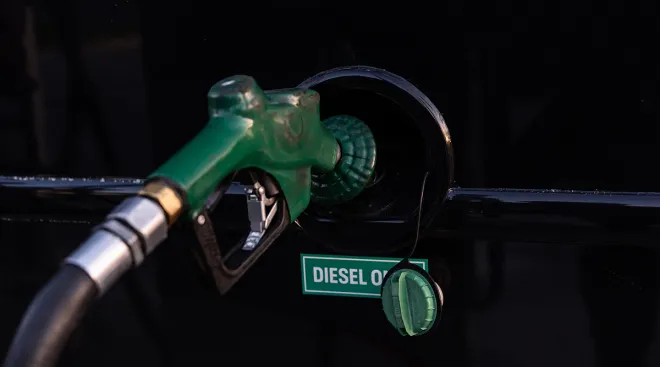
 Motor carriers and truck manufacturers have been eagerly anticipating the final version of those revisions. (Ionel Lupu/Getty Images)
Key Takeaways:
- EPA sent its final revisions to the heavy-duty NOx emissions rule to the White House Office of Management and Budget for review on Nov. 19.
- The rule retains an over 80% NOx reduction for model year 2027 engines, while proposed changes would ease warranty and compliance requirements.
- Manufacturers and carriers await details on nonconformance penalties as the rule moves through final review ahead of the Jan. 1 effective date.
The Environmental Protection Agency sent its final revisions to its heavy-duty nitrogen oxide emissions rule to the White House Office of Management and Budget for review Nov. 19, marking one of the last steps before the updated regulation can be issued.
The original rule, finalized in January 2023, established tighter NOx emissions requirements for commercial trucks that are set to take effect Jan. 1. In July, however, EPA proposed changes to several provisions of that regulation while maintaining the underlying emissions standard.
Motor carriers and truck manufacturers have been eagerly anticipating the final version of those revisions. The regulatory uncertainty has affected truck purchasing decisions, with many carriers awaiting clarity on truck pricing before making investments.
The revised rule would keep the requirement for an over 80% reduction in NOx emissions, to 35 milligrams per brake horsepower-hour for model year 2027 heavy-duty highway engines, from 200 mg/hp-hr. But the industry is still awaiting information on the final cost of nonconformance penalties for manufacturers that sell engines above that limit.
The timeline is tight for the regulation to go through its final stages. No final rule takes effect less than 30 days after its publication in the Federal Register, according to regulations.gov, unless it meets certain criteria, such as granting an exemption, relieving a restriction or for “good cause.”
EPA Administrator Lee Zeldin announced in March 2025 that the agency would reconsider Biden-era emissions standards for heavy-duty vehicles — a move he said would “protect consumer choice and the environment.”
According to EPA, the latest version of the rule “retains nearly 90% of the NOx reductions from the Biden-era rule” and “there would still be a 42% reduction in heavy-duty NOx emissions in 2055, compared to not having the 2023 rule.”
Image

Zeldin. (Samuel Corum/Bloomberg)
The proposed rule also would rescind the extended warranty provision and delay longer useful life requirements until model year 2030, which would reduce the cost increases associated with the regulation and allow more time for manufacturers to assess performance. The rule also included amendments to simplify compliance and replace the requirement for engine derates and vehicle speed reductions with audible or visible notifications.
American Trucking Associations gave its input on the rule earlier this year. In February, ATA wrote to Zeldin and asked EPA to consider allowing manufacturers of heavy-duty engines and vehicles to sell equipment exceeding the set standard if they pay a nonconformance penalty, which is set according to the degree of noncompliance.
Paul Rosa of Penske Truck Leasing breaks down what fleet operators need to know when EPA’s tougher 2027 NOx standard set to go into effect in January. Tune in above or by going to RoadSigns.ttnews.com.
“With the market introduction of MY 2027 heavy-duty trucks only months away, NCPs for the heavy-duty market would give manufacturers additional time and a level playing field to run real-world testing on the newly required emission control systems,” ATA wrote.
The federation also advocated flexibility in credit trading, expanding credit life and using credits across vehicle classes. “Banked” credits allow companies to save them for stricter incoming standards.
“Providing NCPs and credit market flexibilities for the heavy-duty market would help by blunting the disruptive impacts created by frontloaded demand,” ATA stated.
Engine manufacturers and carriers look forward to learning the details of how NCPs will be determined. Cummins CEO Jennifer Rumsey said during an earnings call Nov. 5 that the company expects NCPs in the final rule, but the question for the market is whether the penalties will differ from those in the draft rule.