[Stay on top of transportation news: Get TTNews in your inbox.]
Detention costs trucking billions — why is it so hard to fix?
The issue drew renewed attention in September when Congress released a report examining ways to reduce time spent waiting
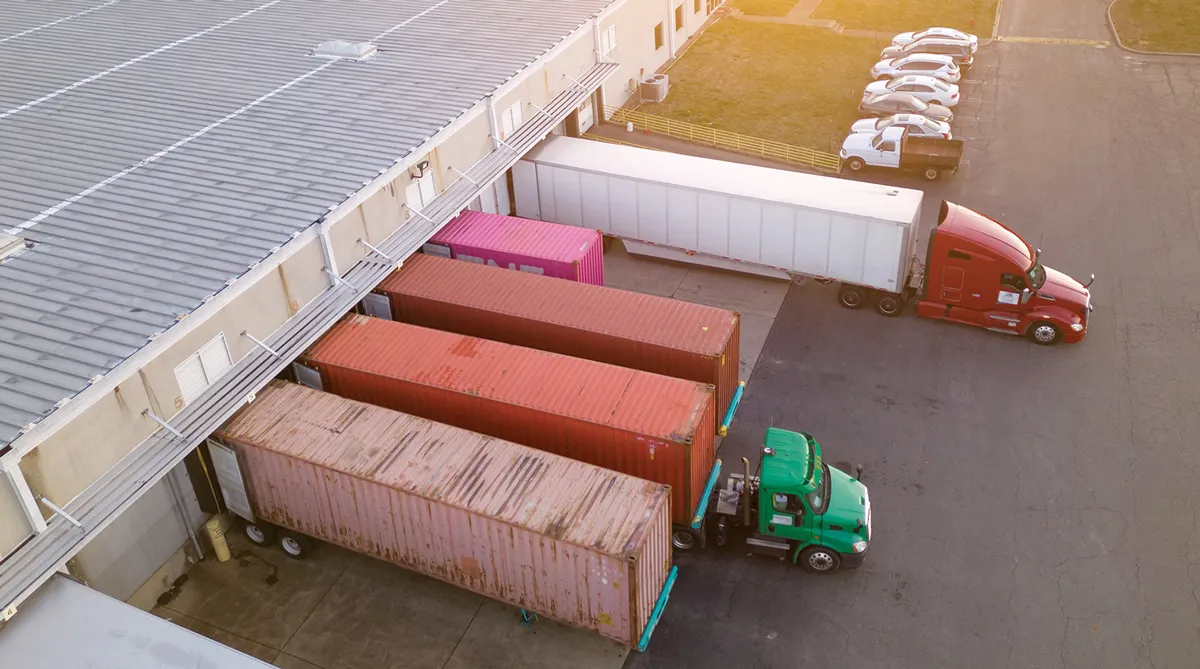 Time spent waiting often goes unpaid or is compensated at a lower rate than driving. (Aziz Shamuratov/Getty Images)
Key Takeaways:
- Congress released a report in September examining ways to reduce excessive truck detention ahead of the upcoming surface transportation reauthorization.
- ATRI found detention cost trucking $3.6 billion in direct expenses and $11.5 billion in lost productivity in 2023, while reducing drivers’ earning potential.
- FMCSA announced a four-month pilot launching in 2027 to test allowing participating drivers to extend their 14-hour duty window by up to three hours.
Excessive loading and unloading delays cost the trucking industry billions of dollars annually, reduce drivers’ earning potential and ripple throughout the supply chain, making detention time one of the sector’s most persistent operational challenges, according to industry experts and a recent congressional report.
The industry generally considers detention time to begin after a driver has waited more than two hours at a shipping or receiving facility.
The issue drew renewed attention in September when Congress released a report related to the upcoming surface transportation reauthorization that examined ways to reduce excessive truck detention times.
Industry experts told Transport Topics that greater accountability for warehouses and distribution facilities could help address the problem, though significant hurdles remain.
According to a 2024 report on driver detention from the American Transportation Research Institute, detention cost the trucking industry $3.6 billion in direct expenses and $11.5 billion in lost productivity during 2023. While 94.5% of fleets charge detention fees, facilities pay fewer than half of the invoices carriers submit.
Detention also affects drivers directly. ATRI found that time spent waiting often goes unpaid or is compensated at a lower rate than driving. The delays also count against a driver’s 14-hour on-duty window.
“I feel like that gets overlooked,” said David Correll, director of market intelligence at freight rail technology company Telegraph, referring to the effect long delays can have on drivers. “They’re people with lives and families and expectations and hopes and dreams, and sometimes we just put them on hold for 12, 24, 36 hours without even notification of when the end of that clock is coming.”
Image
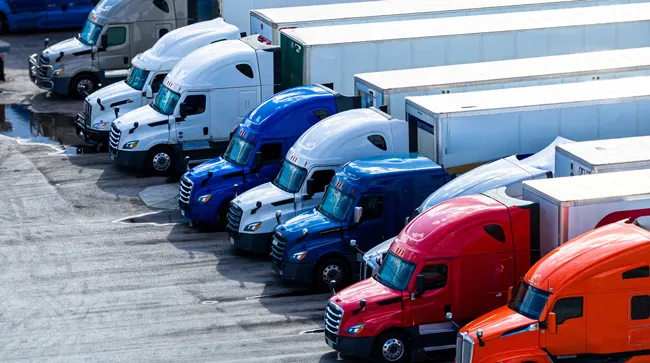
(adamkaz/Getty Images)
One proposal gaining attention is the creation of a centralized system that tracks detention performance at warehouses and distribution centers. Correll, who was cited in the congressional report, previously recommended collecting detention data and information about driver treatment at facilities, including access to basic amenities such as restrooms. Such a system could help carriers better understand facility performance and account for delays when pricing freight, he said. But creating a reliable database could be a challenge.
“I don’t think the shippers themselves … would be excited about getting a new government report card,” Correll said. While some facilities would benefit from strong ratings, others would resist a system that could expose poor performance, he said.

PCS Software CEO Mark Hill discusses the advance of AI in the trucking industry. Tune in above or by going to RoadSigns.ttnews.com.
The challenge begins with the data itself. Correll said there is no universal naming convention for warehouses and distribution facilities, creating a major technical hurdle for standardizing and aggregating detention information across the industry. But there are private-sector tools that attempt to fill some of that gap.
True Load Time provides loading and unloading data for shipper and receiver locations, while Uber Freight collects facility arrival and departure information to automatically identify detention events.
Kevin Nadeau, a director at Tenstreet and founder of True Load Time, said he created the platform to give fleets better visibility into wait times.
“My goal was never to tell people what to do or how to operate,” Nadeau said. “It was merely to provide information for their operation.”
Still, Nadeau said meaningful improvement may ultimately require government involvement.
“The human in me and the fleet manager in me knows that any meaningful action in this area or improvement in this area probably is going to require some sort of regulation,” he said.
Long delays have become accepted by many as a cost of doing business, Nadeau said, but they can create pressure on drivers trying to recover lost time and meet delivery appointments.
Government efforts to address delays
The congressional report also highlighted efforts by the Federal Motor Carrier Safety Administration to better understand the scope of the problem.
FMCSA issued a notice in 2024 seeking additional information on detention time after earlier data-gathering efforts proved insufficient. The agency said it hopes the information will help identify strategies for reducing excessive delays.
The agency also is moving forward with a pilot program examining whether drivers should be allowed additional flexibility under hours-of-service rules when facing long detention times.
A proposal unveiled in late 2025 would allow slightly more than 150 drivers participating in the pilot to extend their 14-hour duty window by up to three hours. In August, FMCSA announced the program would launch in 2027, run for four months and compensate participating drivers. A preliminary test conducted this summer included nine drivers from three carriers in Wisconsin, Minnesota and Ohio.
For Correll and Nadeau, the issue ultimately extends beyond operational efficiency and costs.
Reducing detention would save money across the supply chain, they said, but it also would improve life for drivers whose schedules and personal time are routinely disrupted by lengthy and unpredictable waits.