
[Stay on top of transportation news: Get TTNews in your inbox.]
U.S.-Mexico trade talks cool over metals
U.S. officials take issue with Mexican demands for lower steel and aluminum tariffs
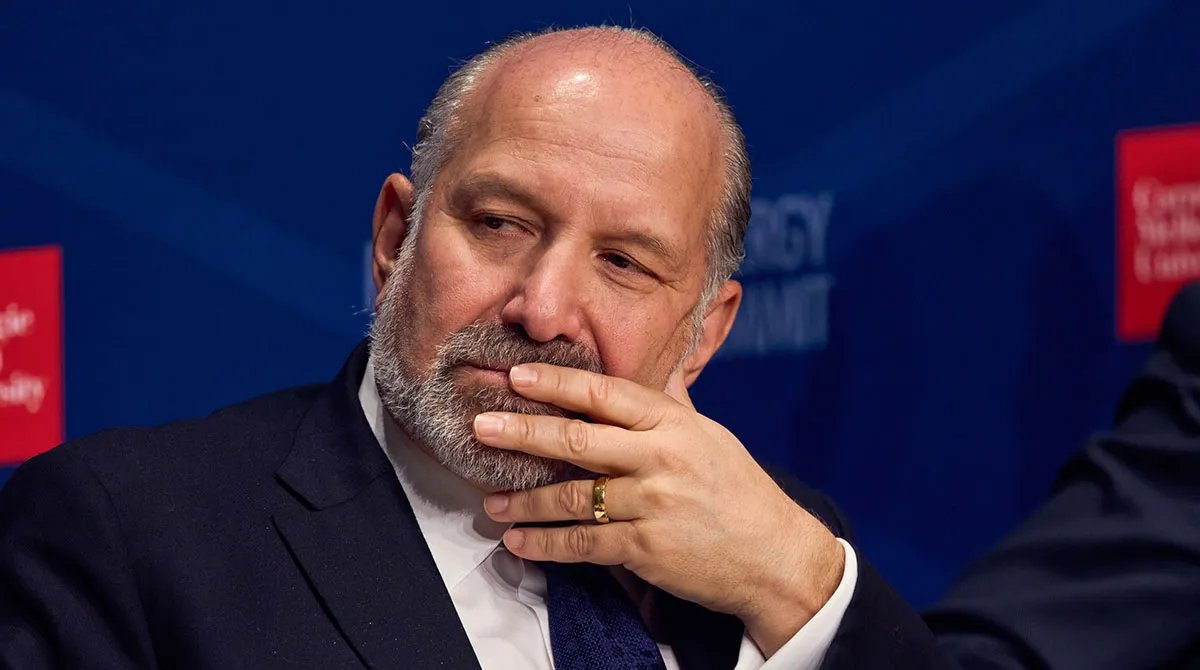 Secretary of Commerce Howard Lutnick. (Brian Kaiser/Bloomberg)
Key Takeaways:
- U.S.-Mexico trade talks stalled over steel and aluminum tariffs after U.S. officials rejected Mexican demands for reduced metals duties.
- Mexico seeks relief from 50% metals tariffs and lower vehicle duties, citing investment uncertainty and competitive disadvantages against Japan and Korea.
- Major progress may wait until after Nov. 3 midterm elections, though both nations’ leaders said negotiations were advancing.
U.S. and Mexican trade negotiators have hit an impasse over tariffs on steel and aluminum, dashing earlier optimism for an imminent deal and likely kicking major progress until after the midterm elections, people familiar with the matter said.
Talks have cooled off in recent days after U.S. officials including Commerce Secretary Howard Lutnick took issue with Mexican officials’ demands for reduced tariffs on metals, according to two of the people, who asked not to be identified discussing private deliberations.
Lutnick has sought to exert more influence in the talks and broader trade policy after taking a back seat to U.S. Trade Representative Jamieson Greer, whose office earlier spearheaded the negotiations, according to the people. Lutnick met virtually with Mexican President Claudia Sheinbaum on Sept. 9.
The White House and Commerce Departments did not respond to requests for comment.
Mexican officials had earlier expressed hope that a deal was within the negotiators’ grasp. One sticking point is around lowering tariffs on derivative metals products. Duties on downstream products made from steel and aluminum have amassed to cover a substantial part of Mexico’s economy, and Mexican leaders have said they did not want a deal without relief on that.
Talks between the two countries stalled after a counterproposal from Lutnick failed to address Mexican concerns, the people said. Now, U.S. officials have grown comfortable with the idea of kicking a potential deal down the road, well after the Nov. 3 midterm elections.
“We’re a little bit stuck on the details,” Roberto Lazzeri, Mexico’s ambassador to the U.S. and one of several officials who have participated in U.S. trade negotiations, said Oct. 19 on a panel in Miami. The Wall Street Journal first reported the impasse in talks.
“I think the sticking point is the 232 tariffs,” Lazzeri said, referring to the duties imposed by the Trump administration under Section 232 of the Trade Expansion Act of 1962, which include a 50% import tax on steel and aluminum and a 25% import tax on for non-U.S. content on USMCA-compliant cars.
Mexican Economy Minister Marcelo Ebrard, who is Mexico’s lead negotiator, rejected the suggestion that Lutnick was blocking a potential deal.
“In my last conversation with him, I didn’t get the impression that he was opposed to reducing those tariffs, at least as far as I know,” Ebrard told reporters late last week.
A framework agreement between the U.S. and Mexico would provide stability and certainty to business leaders who are stalling investment decisions amid rolling negotiations over renewing the U.S.-Mexico-Canada trade deal. Another point of contention has been industry-specific tariff rates, which Mexican officials have argued give other countries, including Japan and Korea, an upper hand.
Mexico’s economy is heavily dependent on trade with the U.S., with more than 80% of its exports going to its northern neighbor. The government has sought a deal that would see U.S. tariffs on light vehicles go to 15% from the current 25%, according to other officials, who also asked not to be identified. The proposed agreement also included a reduction in the 50% tariffs on steel and aluminum, although the two sides had not settled on a new rate.
The disagreements echo those that caused the breakdown of U.S. and Canada talks in August, which was largely driven by Lutnick’s opposition to proposed concessions on industry-specific, Section 232 tariffs — which fall under the Commerce Department’s jurisdiction.
Earlier this week, President Donald Trump and Sheinbaum each struck a positive note on the prospects for a deal without offering specifics.
Trump told a political rally in Kansas on Oct. 19 that the U.S. and Mexico were close to a trade agreement, while Mexico’s leader told reporters Oct. 20 that there had been progress toward making “the best possible” deal.
Following a Senate hearing Oct. 20, Ebrard said he was encouraged by Trump’s remarks and would follow up with his U.S. counterparts “to see what progress has been made.”
Written by Alicia Diaz, Eric Martin and Gonzalo Soto


