[Stay on top of transportation news: Get TTNews in your inbox.]
Nissan’s hybrid-only models to debut in U.S. around 2030
Demand for hybrids has grown in response to surging gasoline prices
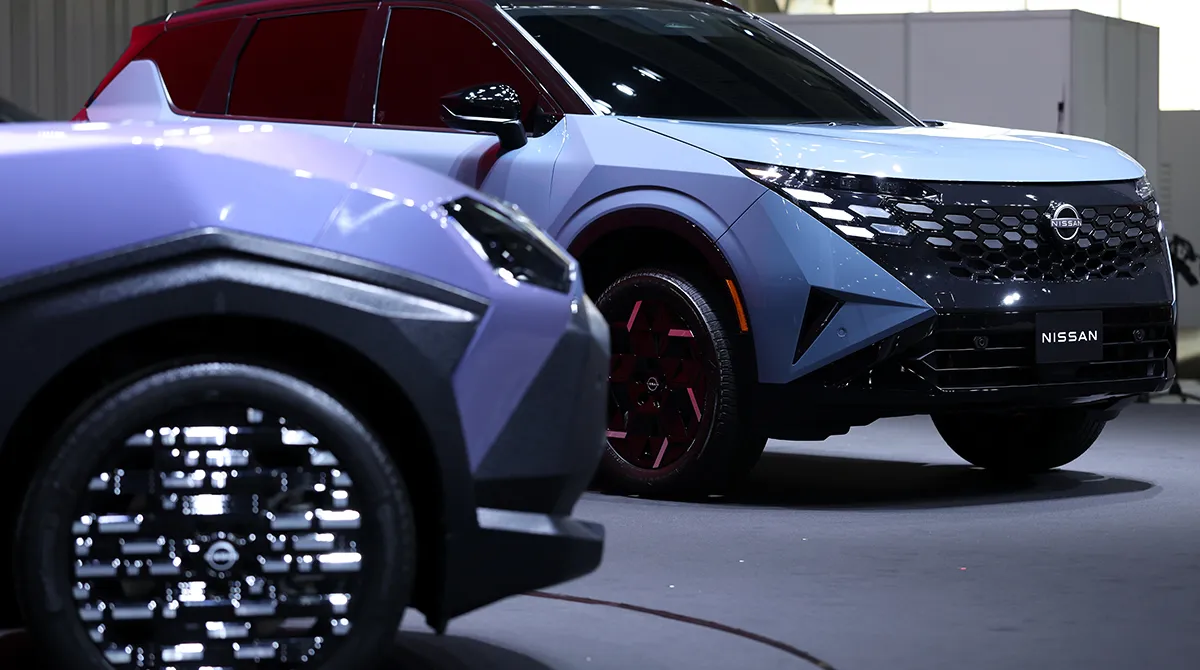 Nissan Rogue compact SUV. (Kiyoshi Ota/Bloomberg)
Key Takeaways:
- Nissan expects to begin selling some hybrid-only vehicles in the U.S. around 2030 as it takes a measured approach to the technology.
- Nissan trails Toyota and Honda in hybrid offerings as demand rises, while hybrid models can carry a roughly $2,000 to $2,500 premium.
- Nissan plans U.S. production of Rogue hybrids and a hybrid-option Xterra in 2028 as it retools factories and expands its supply base.
Nissan Motor Co. expects to begin selling some hybrid-only vehicles in the U.S. early next decade, adopting a slower path on the popular fuel-efficient models than its two main Japanese rivals, according to a senior executive.
“We’re getting ready to be full hybrid, maybe in 2030, but I don’t think it’s necessary to do it too quickly,” Christian Meunier, the head of the company’s operations in the Americas, told reporters in Detroit on Nov. 17. “We need to put the technology on at the right time, and at the right cost.”
READ MORE: Hybrids boom as EVs fall out of favor, even in California
The Yokohama-based carmaker in September launched the first hybrid in its current lineup as an option on versions of its Rogue compact SUV imported from Japan. Nissan plans to localize production of Rogue hybrids from 2028 at its factory in Smyrna, Tenn., and also start making its all-new Xterra midsize SUV with a hybrid option that year at a plant in Canton, Miss.
The company has lagged competitors in offering hybrids, and also trails Toyota Motor Corp. and Honda Motor Co. in going all-in on exclusively gas-electric models. Toyota sells several hybrid-only vehicles, including its best-selling RAV4 compact SUV, Camry sedan and Sienna minivan. Honda announced plans earlier this month to make its CR-V compact SUV hybrid-only next year.
Image
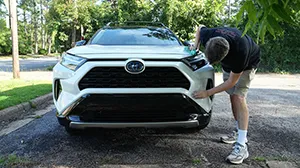
(Megan Varner/Bloomberg)
More on hybrids
Demand for hybrids has grown steadily in recent years and kicked into even higher gear this year in response to surging gasoline prices. That’s prompted other automakers such as General Motors Co. to expand their offerings of hybrids in a bid to catch up with industry leaders like Toyota and Hyundai Motor Co.
While Nissan retools its factories and builds out its supply base for hybrids, Meunier said gas-only vehicles still offer an affordable option for cash-pinched car buyers who can’t afford the roughly $2,000 to $2,500 premium that some hybrid models command. Once production increases and costs are spread over more volume, that premium can shrink — much as it has for Toyota.
“They can do a lot of things that others can’t do,” he said. “They have the scale that we don’t have.”