
[Stay on top of transportation news: Get TTNews in your inbox.]
U.S. Steel strike threat grows as talks enter third month
Negotiator says it’s 'highly unlikely' the union will continue negotiations into 2027
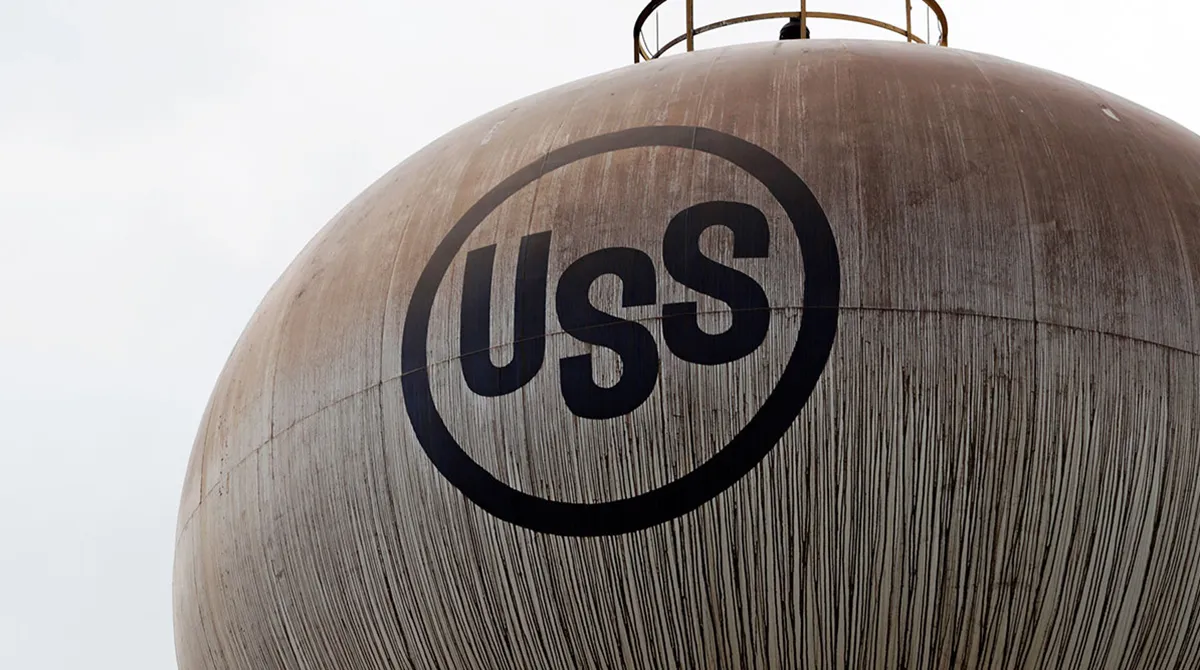 (Gene J. Puskar/Associated Press/file)
Key Takeaways:
- United Steelworkers warned negotiations with U.S. Steel are unlikely to continue into 2027 as talks over a new labor contract enter a third month.
- The dispute centers on protections requiring buyers of U.S. Steel plants to honor union contracts covering more than 10,000 workers.
- U.S. Steel and the union continue extending the expired contract by 48 hours while bargaining, with either side able to terminate it on notice.
The United Steelworkers says it’s running out of patience with U.S. Steel as negotiations over a new labor agreement stretch into a third month, raising the prospect of a strike at one of America’s largest steelmakers.
Bernie Hall, a steelworker leading negotiations with U.S. Steel, said it’s “highly unlikely” the union will continue negotiations into 2027, putting a rough deadline on talks that have dragged well beyond the expiration of the previous labor agreement in September.
“We’re in the fourth quarter,” said Hall, a union leader representing the more than 10,000 workers at U.S. Steel facilities, including operations in Pennsylvania and Indiana. “We’ve been here for months and we’re not going to be here for months longer.”
The prolonged negotiations represent one of the first major tests of labor relations since Nippon Steel Corp. completed its roughly $14.9 billion politically contentious takeover of U.S. Steel last year. The Japanese steelmaker overcame fierce opposition from the USW to buy the American company after agreeing to an unusual national-security arrangement with the Trump administration that places restrictions on plant closures, job transfers and reductions in promised capital spending.
The company didn’t immediately respond to a request for comment.
U.S. Steel and the union have been continually renewing the contract on a rolling, 48-hour basis to allow for bargaining to continue. Either party can move to terminate the contract with 48 hours’ notice.
At the center of the contract dispute is so-called successorship language, which protects union contracts if U.S. Steel facilities are sold. Such language would require a buyer of U.S. Steel plants to honor existing union contracts and their protections for wages, benefits and pensions. Without those protections, the union says US Steel would leave workers more exposed if individual plants are sold.
“There are a few very unreasonable things that they’re asking of us that we could never do and that we would never accept,” said Hall in an interview.
U.S. Steel, meanwhile, says its latest proposal provides long-term job stability and includes what it calls an “unprecedented” capital commitment to its facilities. The two sides have continued bargaining while workers remain on the job under the terms of the previous agreement.
Nippon Steel is expecting a windfall from its American unit as metal prices surpass four-year highs on robust consumer demand and a dearth of foreign imports due to President Donald Trump’s tariffs. The company said last week it now anticipates $1.5 billion in profit this year, up from previous expectations of $1.1 billion.
Bob Toews, CEO of TruckDown, discusses winter readiness in the connected fleet era. Tune in above or by going to RoadSigns.ttnews.com.
Nippon Steel has pledged roughly $11 billion of investment in U.S. Steel through 2028 as part of the agreement with the Trump administration. Certain decisions to reduce those investments, move jobs outside the U.S. or close or idle existing plants require government approval under the agreement.
The union has said the investment commitments presented at the bargaining table covered only a limited number of facilities and fell short of the broad assurances made by U.S. Steel and Nippon.
Last week, the union agreed to a deal with U.S. steelmaker Cleveland-Cliffs Inc., a competitor of U.S. Steel, to renew its contracts with the Ohio-based company.


