
[Stay on top of transportation news: Get TTNews in your inbox.]
FDA clears path for oral fluid, hair drug tests
Testing methods less prone to tampering, offer longer detection windows
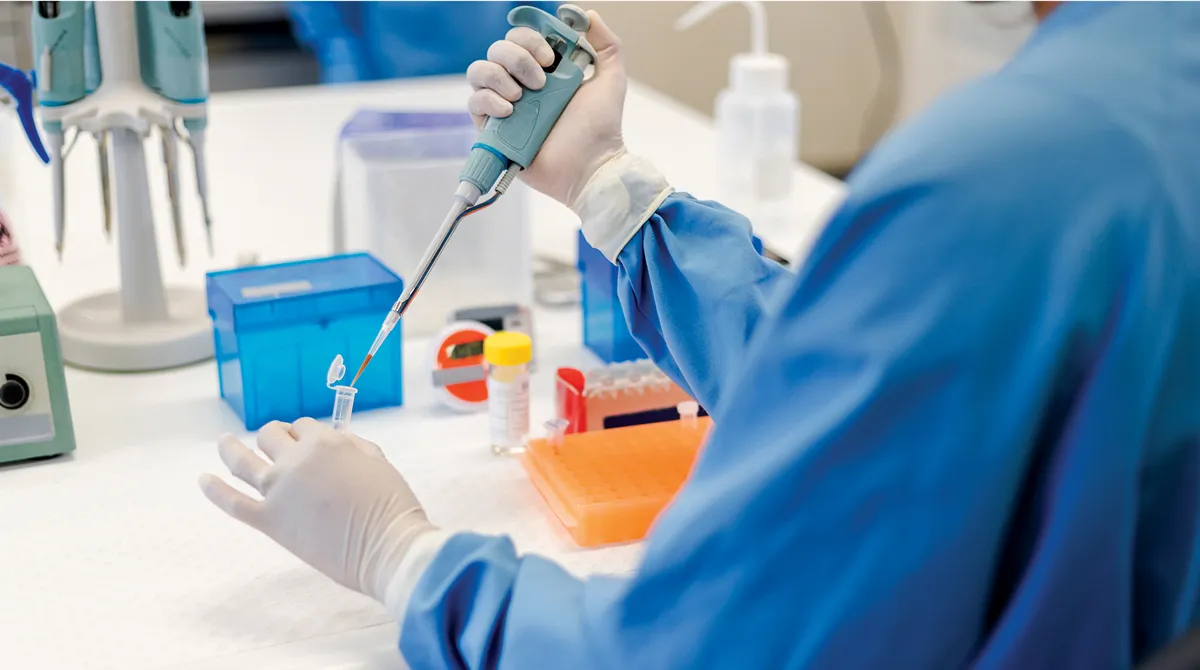 ATA argues that the federal government’s reliance on urine testing has created vulnerabilities in the system by allowing opportunities for test evasion. (SolStock/Getty Images)
Key Takeaways:
- An FDA rule effective Oct. 6 exempted certain federally regulated drug-testing systems from clearance requirements that industry groups said blocked oral fluid and hair testing.
- More than 5.5 million tests annually cover federally regulated commercial drivers, according to American Trucking Associations, which says urine testing creates opportunities for evasion.
- The National Drug and Alcohol Screening Association welcomed the exemption, saying laboratories can invest with confidence and manufacturers can bring testing products forward.
The Food and Drug Administration has removed a key regulatory barrier to the use of oral fluid and hair testing in federally regulated drug-screening programs, a change trucking groups say will help modernize testing and improve efforts to identify drug use among safety-sensitive workers.
A rule that took effect Oct. 6 exempts certain federally regulated drug-testing systems from the FDA’s 510(k) clearance process, a requirement industry groups argued was preventing laboratories from obtaining federal certification to conduct oral fluid and hair testing. American Trucking Associations, which spent years pressing for the change, called the move an important step toward strengthening highway safety.
Image

Hanscom
“A modern drug-testing program is essential to keeping impaired drivers off the road and protecting the motoring public,” said Henry Hanscom, ATA chief advocacy and public affairs officer. “After years of ATA advocacy, FDA has finally removed a major regulatory roadblock that prevented oral fluid testing from moving forward. It is an important victory for highway safety and a critical step toward a stronger trucking workforce.”
ATA has argued that the federal government’s reliance on urine testing has created vulnerabilities in the system by allowing opportunities for test evasion.
Oral fluid and hair testing are viewed as less susceptible to tampering because both use directly observed collection methods. Hair testing also offers a longer detection window, providing a broader picture of past drug use. Used alongside urine testing, the methods give motor carriers additional tools to identify potential drug and alcohol use and related safety risks, ATA said.
The FDA launched the rulemaking process earlier this year after six members of Congress sent a letter to the Department of Health and Human Services at ATA’s request.
Image

Lyles
In her June letter to the FDA, ATA Vice President of Safety Policy Brenna Lyles said more than 7 million drug and alcohol tests are conducted annually for Department of Transportation-covered private-sector workers, including more than 5.5 million for commercial drivers regulated by the Federal Motor Carrier Safety Administration.
“Today’s drug threats continue to evolve, for example, the rise in use of increasingly popular substances like fentanyl, xylazine and methadone that are not currently detected by the Department of Health and Human Services’ five-panel test, and test subversion grows more prevalent and easier to carry out amongst those seeking to evade mandated drug testing,” Lyles wrote. “This reality means access to alternative tools like oral fluids and hair testing under the DOT drug testing program is critical.”
The change also was welcomed by the National Drug and Alcohol Screening Association, which has argued that regulatory requirements, rather than scientific concerns, have slowed adoption of oral fluid and hair testing in federal programs.
PCS Software CEO Mark Hill discusses the advance of AI in the trucking industry. Tune in above or by going to RoadSigns.ttnews.com.
NDASA Chairman Scott Taillie said the exemption removes a long-standing obstacle to broader use of oral fluid testing.
“Laboratories can now invest with confidence, manufacturers can bring product forward, and the safety-sensitive workforce this country depends on can finally be protected with modern tools,” Taillie said.
Nick Hartman, an NDASA board member and managing partner of the Drug Screening Compliance Institute, told the FDA during the public comment process that the exemption was long overdue. He argued that regulatory barriers had limited adoption of testing methods that are less invasive and more resistant to tampering than urine-based tests.
According to NDASA, the exemption applies to 14 categories of drug-testing systems, including tests for amphetamines, cannabinoids, cocaine, fentanyl and opiates.


