
[Stay on top of transportation news: Get TTNews in your inbox.]
Factory production grows most since 2021
ISM's manufacturing gauge has pointed to growth for 10 consecutive months
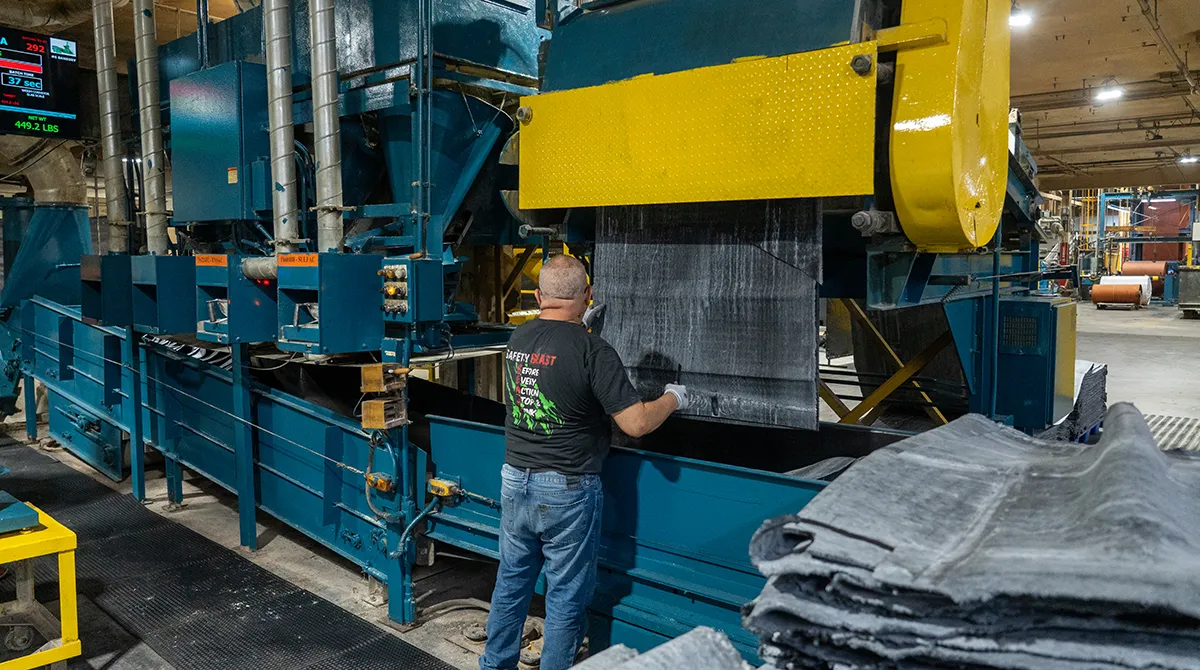 A machine operator works at a tire manufacturing facility in Des Moines. (Bryon Houlgrave/Bloomberg)
Key Takeaways:
- The Institute for Supply Management’s manufacturing index rose one point to 55.5 in October, marking 10 consecutive months of expansion.
- Production reached its highest level since late 2021 as new orders stayed in expansion territory and factory employment increased for a fourth month.
- Factories continued facing cost and supply pressures, with ISM’s prices gauge at 75.2 and supplier delivery times lengthening.
The Institute for Supply Management's manufacturing index rose one point to 55.5 in October, the second-highest reading in more than four years.
The measure topped all but one forecast in a Bloomberg survey of economists. Figures above 50 indicate expansion.
The production gauge notched its best reading since late 2021, data out Nov. 2 showed. A measure of new orders, a sign of demand, was the highest since July and remained well within expansionary territory.
ISM's manufacturing gauge has now pointed to growth for 10 consecutive months, reversing a roughly three-year slump for the sector.
The sustained pickup has encouraged manufacturers to hire more workers. Factory head count increased in October for a fourth month, the longest such stretch since early 2022.
Factories are benefiting from strong economic growth, resilient consumer demand and solid business investment. The U.S. economy expanded in the third quarter at the fastest pace in a year, bolstered by business outlays on data centers and artificial intelligence, as well as industrial and other equipment.
It was a steady October for the @ISM® Manufacturing PMI® Report, with the largest index swing in either direction just 2.8 points. New orders and backlogs growth fed production while #employment expanded again as the #ISMPMI increased to 55.5%. https://t.co/M8qe4yZ8iT #economy
— Institute for Supply Management (@ism) November 2, 2026
Manufacturers in recent years have also had to contend with high inflation and supply chain disruptions amid tariffs and the Iran war. The Federal Reserve's preferred measure of inflation rose 3.6% from a year earlier in September, well above the central bank's 2% goal.
ISM's report showed that factories in October once again faced elevated prices for raw materials and longer lead times on supplier deliveries. ISM's prices gauge fell to 75.2, down from the prior month but still higher than before the Middle East conflict began.


