
Beyond the Price of Electrification
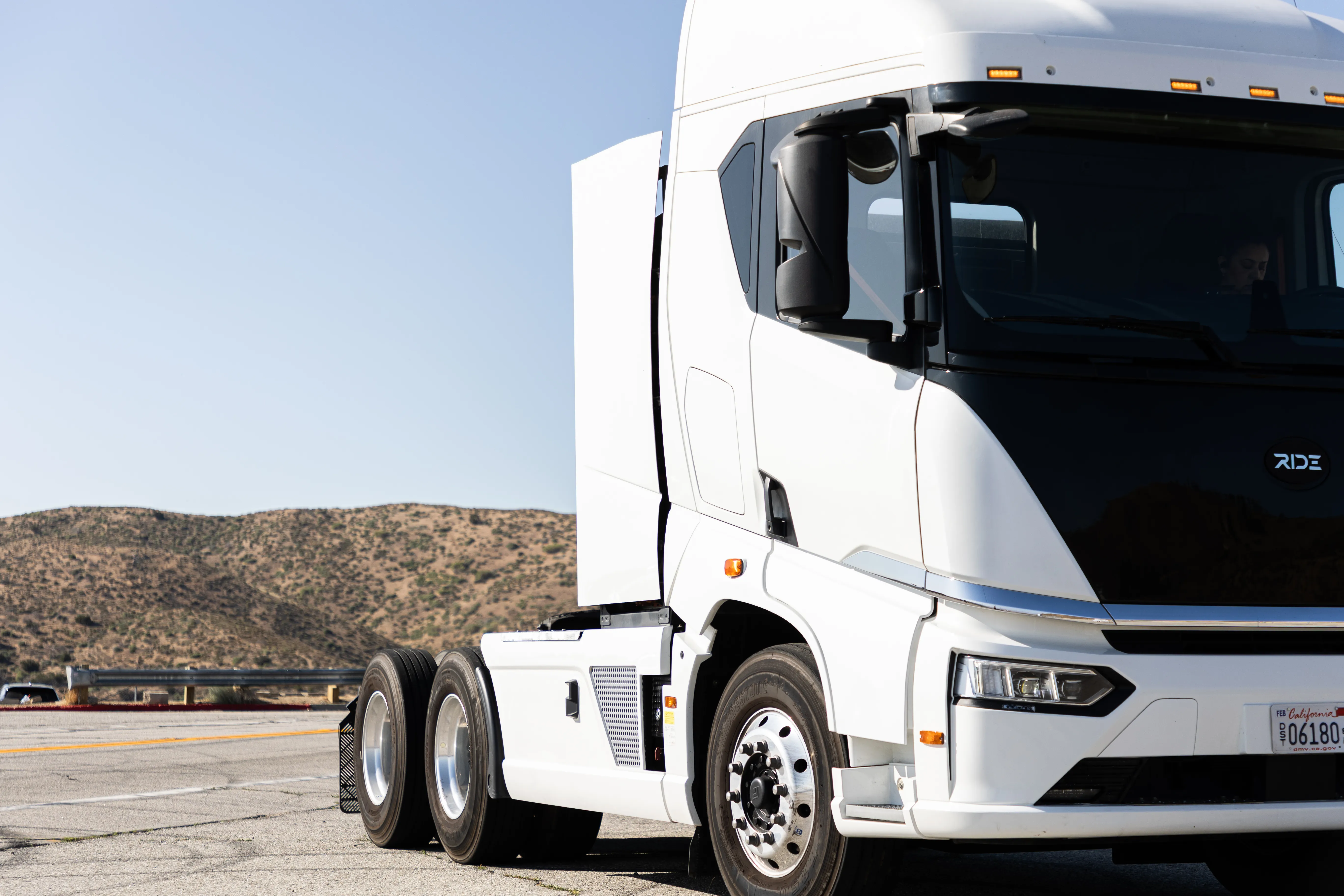
For fleets considering electrification, the upfront price of an electric truck can seem like the biggest obstacle. But focusing only on purchase price can overlook operating costs, available incentives and other factors that shape the economics over the vehicle’s useful life. The question is not simply whether an electric truck costs more to purchase. It is whether that higher upfront cost tells the whole story.
Fuel consumption, maintenance requirements, route characteristics, daily mileage and vehicle utilization all play a role in determining the overall economics of a truck. An electric vehicle may have a different cost structure than a conventional truck, making it important for fleets to evaluate the complete operating picture rather than comparing sticker prices alone.
Incentives can also change that calculation. California’s Clean Fuel Reward (CCFR) is one example. Funded through the state’s Low Carbon Fuel Standard, the program provides incentives for eligible new zero-emission commercial vehicles. For qualifying Class 6 vehicles, the reward is $85,000, while eligible Class 8 vehicles can receive a $120,000 reward. The program can provide an incentive of up to 90% of a vehicle’s pre-tax cost when combined with other incentives and price reductions, subject to program requirements. Vehicles do not have to be purchased outright; eligible customers can also lease. There is also no scrappage requirement.
CCFR funding is available if not all funds have been depleted and approved Phase 1 claims reserve funding for only 180 days while the vehicle purchase or lease is completed and the vehicle is delivered. Other incentive programs may have an application deadline. That means incentives should be considered early in the vehicle-planning process. For customers purchasing eligible RIDE vehicles, RIDE manages the CCFR application process, helping navigate the requirements involved in securing the available reward.
While the economics of electrification are an important part of the process, fleets should also consider battery technology and vehicle design. Lithium iron phosphate (LFP) battery chemistry is used RIDE trucks because of its combination of durability, thermal stability and safety characteristics. LFP batteries are generally less prone to thermal runaway and can provide greater chemical stability.
The broader consideration is not simply whether a truck is electric, but whether its range, payload, capabilities and duty cycle align with the work it needs to perform. From the 8Y moving trailers around yards to the 8TT transporting freight between ports and warehouses or the 6F completing regional routes, RIDE trucks were engineered to perform specific jobs.
Ultimately, the decision to electrify comes down to more than the initial price of the truck. Fleets should consider how the vehicle fits their routes, what it will cost to operate, what infrastructure it requires, and which incentives may be available. The better question may not be, “How much more does an electric truck cost?” It may be, “What will this vehicle cost over its useful life? What resources are available to help make the transition work?” That broader view can provide a much clearer picture of whether electrification makes sense for their operation.

RIDE stands for “Real Innovation Delivered with Excellence”. RIDE, the U.S. BYD spinoff, seeks to advance innovation in the North American transportation and infrastructure market while delivering the safest and most reliable technologies to our customers. With a full line of medium and heavy-duty battery-electric trucks that are in operation now, RIDE trucks are industry-proven to deliver the highest efficiency and reliability in the harshest commercial operations.
The above article is sponsor-generated content. To learn more about sponsor-generated content, click here.