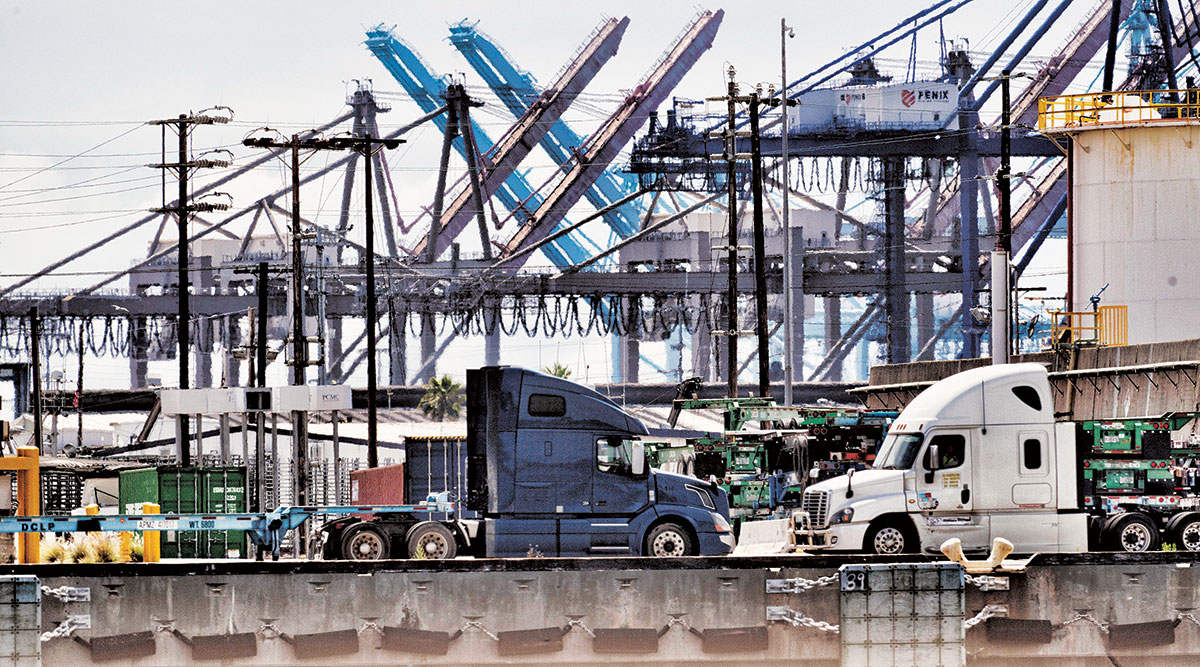
The U.S. Department of Transportation announced grants for ports and supply chain corridors as part of the White House’s strategy for advancing a zero-emission freight landscape.
All Class 8 tractors rolling off VTNA and Mack Trucks production lines are set to depart manufacturing facilities with hydrotreated vegetable oil or renewable diesel in their fuel tanks.
Ford Motor Co., rapidly retooling its electric vehicle strategy in a decelerating market for plug-ins, posted first-quarter results that beat expectations on strong sales of work trucks.
Michelin posted a 4.1% year-over-year decrease in tire sales in the first quarter of 2024, citing softer overall demand in the truck and specialty tire segments.
Tesla’s first-quarter net income plummeted 55%, but its stock price surged in after-hours trading April 23 as the company said it would accelerate production of more affordable vehicles.
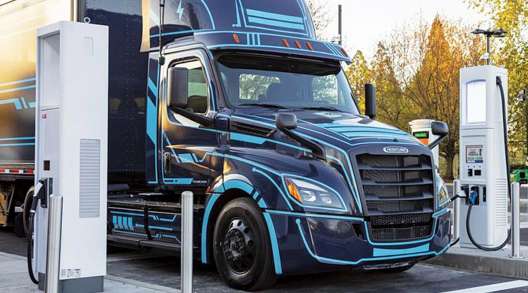
The Biden administration is laying out more of its vision for decarbonizing the freight industry, including plans for standardizing charging infrastructure for electric trucks.

It’s Time to Prioritize Your Fleet Maintenance Service
Prioritizing your fleet maintenance is critical to improving uptime, reducing costs, and increasing operational efficiency for your fleet.
Sponsored Content
Buttigieg Announces Infrastructure Funds
Assuring the country about the Biden administration’s efforts to improve connectivity along mobility corridors is atop Secretary Pete Buttigieg’s spring agenda.

Truck Body Repair Collaborations Help Streamline Planning
Repairing the body on a Class 8 truck is a process of handling moving parts while performing a proper assessment and eventually restoring the unit to a safe, roadworthy state as quickly as possible.

Complete coverage of the 2024 National Truck Driving Championships and Step Van Driving Championships, as well as the state events that served as qualifiers.

A freight market recession, compressed broker margins and major acquisitions in 2023 have markedly altered the landscape of North America’s largest third-party logistics providers.

A unique ranking of the third-party logistics companies in North America includes listings of the largest freight brokerage firms, freight forwarders, warehouse operators and dedicated contract carriage service providers.

Key data on revenue and freight assets for the 50 largest global freight companies.

Beverage and food service fleets dominate the top spots in this comprehensive rundown of private carriers in North America, ranked by number of tractors.

Annual rankings provide an indispensable overview of the largest for-hire carriers in North America, along with timely analysis of trends shaping the industry.
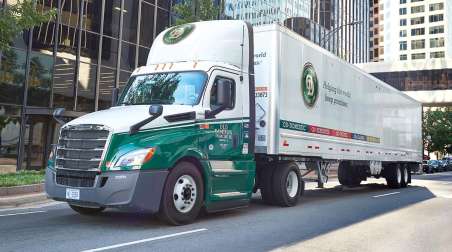
Old Dominion Freight Line experienced growth in revenue and earnings for the first quarter of 2024, the company reported April 24.

Shawn Stewart is set to join Forward Air as CEO, effective April 28, the carrier said April 23. He also will join the asset-light transportation services group’s board of directors.
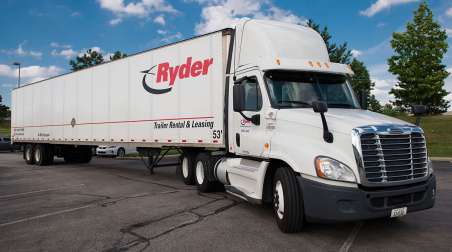
Ryder's profits fell in the first quarter on sharply lower used tractor and truck prices and weak rental market conditions, the company said April 23, but saw a boost from recent acquisitions.




April 18, 2024

April 15, 2024

April 11, 2024
April 8, 2024

This Week